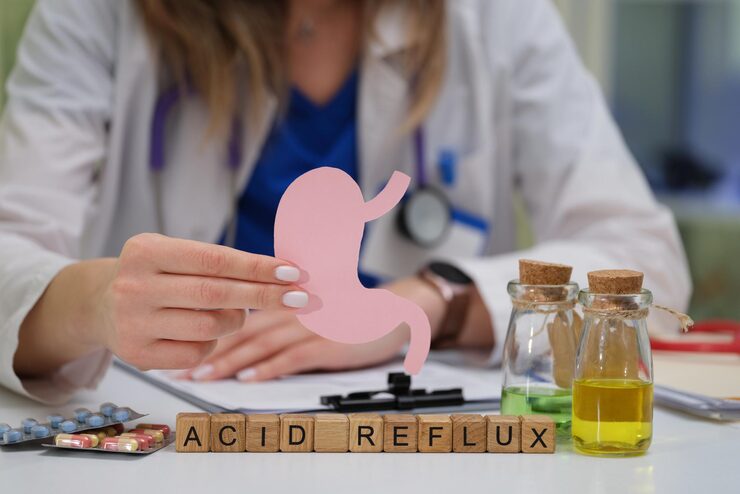
This session covers Gastroesophageal Reflux Disease (GERD) from a clinical nutrition perspective, focusing on its pathophysiology, diagnosis, and dietary management. It explains the role of lower esophageal sphincter dysfunction, diaphragmatic support, and gastroesophageal junction abnormalities in disease development. The workshop highlights the importance of symptom assessment, food-symptom tracking, and identifying dietary triggers such as high-fat foods and caffeine. It also emphasizes nutritional strategies, lifestyle modifications, and functional foods to support symptom management and improve patient outcomes.