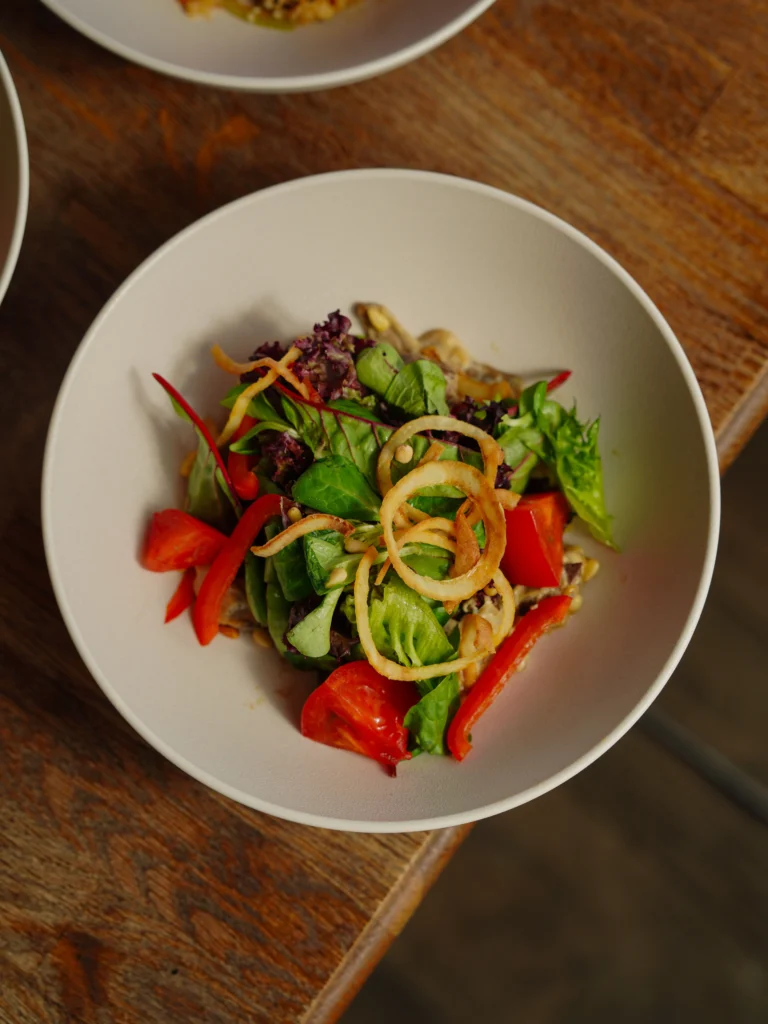
Greek Yogurt Bowl with Flax Seeds

A creamy, protein-rich breakfast bowl combining probiotics, healthy fats, and dietary fiber to support gut health, satiety, and balanced nutrition.
Clinical Dietitian
Clinical Dietitian , Founder & Director - NIND

Prep Time

8 minutes

Cook Time

0 minutes

Total Time

8 minutes

Servings

1

Meal Type

Breakfast / Snack

Clinical Focus

PCOS Nutrition · Weight Management · Gut Health · Hormonal Health

CLINICAL DIETITIAN'S NOTES

Clinical Objective

To provide a protein-rich, nutrient-dense meal containing dietary fiber, unsaturated fats, and beneficial nutrients that support satiety and digestive health.

Best Time to Recommend
  • Breakfast
  • Mid-morning snack
  • Post-workout snack
  • Weight-management meal plans
  • PCOS-friendly meal plans
Evidence Level

Established nutritional principles based on the nutrient composition of yogurt, nuts, seeds, and berries. Individual clinical outcomes may vary.

Clinical Application

Greek yogurt provides protein and, when it contains live cultures, beneficial microorganisms. Ground flax seeds contribute alpha-linolenic acid (ALA), a plant-based omega-3 fatty acid, as well as fiber and lignans. Nuts and berries add healthy fats, micronutrients, and antioxidant compounds, making this bowl a convenient option for balanced meal planning.

ABOUT THIS RECIPE

This Greek Yogurt Bowl with Flax Seeds is a simple, nourishing recipe prepared with plain, unsweetened Greek yogurt, mixed berries, almonds, walnuts, and ground flax seeds. A light sprinkle of cinnamon adds flavor without requiring added sugar.

The combination of protein, fiber, and unsaturated fats may help promote fullness and support balanced post-meal blood glucose responses. Yogurt containing live cultures can contribute to dietary intake of beneficial microorganisms, while flax seeds and nuts provide nutrients that support overall health.

The recipe can be incorporated into a balanced dietary pattern for individuals with PCOS or those looking to improve their everyday food choices. However, no single food independently regulates hormones or treats PCOS.

Nutrition Facts (Approximate values per serving. )

Calories
290 kcal
Protein
20 g
Carbohydrates
18 g
Dietary Fiber
7 g
Fat
15 g

Values may vary depending on the brand and fat content of Greek yogurt, the type and quantity of berries, and the exact quantities of nuts and seeds used.

INGREDIENTS

For the Greek Yogurt Bowl

Ingredients
Quantity
Plain, unsweetened Greek yogurt
1 cup
Ground flax seeds
1 tbsp
Mixed berries (strawberries, blueberries, or raspberries)
¼ cup
Almonds, chopped
1 tbsp
Walnuts, chopped
1 tbsp
Chia seeds (optional)
1 tsp
Cinnamon powder
½ tsp

Recipe Instructions

  1. 1. Prepare the yogurt base Add the plain, unsweetened Greek yogurt to a clean serving bowl and spread it evenly. Why? Greek yogurt provides protein, which contributes to satiety and the maintenance of body tissues.
  2. 2. Add the berries Wash the berries thoroughly, cut larger berries into smaller pieces if needed, and arrange them over the yogurt.
  3. 3. Add the nuts and flax seeds Sprinkle the chopped almonds, walnuts, and freshly ground flax seeds over the yogurt.
  4. 4. Add the optional toppings Sprinkle chia seeds and cinnamon powder over the bowl for additional texture and flavor.
  5. 5. Serve immediately Enjoy the bowl fresh as a quick breakfast or nutritious snack. Chef’s Tip: Use freshly ground flax seeds rather than whole seeds to make their nutrients more accessible during digestion. Store any unused ground flax seeds in an airtight container in the refrigerator.

More Recipes

Protein Rich Sprouts Chaat

Protein Rich Sprouts Chaat

Protein Rich Sprouts Chaat

CLINICAL BENEFITS

Greek yogurt is a concentrated source of protein that supports tissue maintenance and may help keep you satisfied between meals.

  • Gut Health
  • Healthy Fats
  • Digestive Health
  • Blood Glucose Management
  • Hormonal Health and PCOS

Share this Recipe

CLINICAL MODIFICATIONS

PCOS-Friendly
Choose plain, unsweetened Greek yogurt and retain the nuts, seeds, and berries for a combination of protein, fiber, and unsaturated fats.
Diabetes-Friendly
Use unsweetened yogurt, measure the berry portion, and avoid added sugars or sweetened toppings. Adjust the portion according to individual carbohydrate requirements and blood glucose responses.
Weight Management
Use a measured portion of nuts and seeds, and select yogurt according to individual protein and energy requirements. These ingredients are nutrient-dense but contribute calories.
Sports Nutrition
Increase the serving size or pair the bowl with another carbohydrate source when additional energy is needed for training. Adjust protein intake according to training demands.
Pregnancy
Choose pasteurized yogurt, wash berries thoroughly, and use fresh, properly stored ingredients. Individual nutritional needs should guide portion sizes.
Child-Friendly
Serve in an age-appropriate texture and portion. Finely chop or grind nuts and seeds as appropriate to reduce choking risk, especially in young children.
Recipe Tip
For a thicker bowl, refrigerate the yogurt before serving. If preparing it in advance, keep it covered and refrigerated, and add the berries and toppings just before eating to maintain freshness and texture.
Serving Suggestion
Serve chilled as a balanced breakfast or snack. For variety, rotate the berries according to availability and use different combinations of nuts and seeds while maintaining appropriate portions.
Nutrition Note
Reconcile the nutrition values with the exact ingredients and quantities used. Clarify whether the calculation includes the optional chia seeds, and recalculate the nutrition values if chia seeds are added. Also account for the specific Greek yogurt brand, berry selection, and measured portions of almonds, walnuts, and flax seeds.
×
Webinar

Complete your
booking

Secure your spot in this session


Session fee
Valid till 20 June 2026

Secured by Razorpay

Consultation