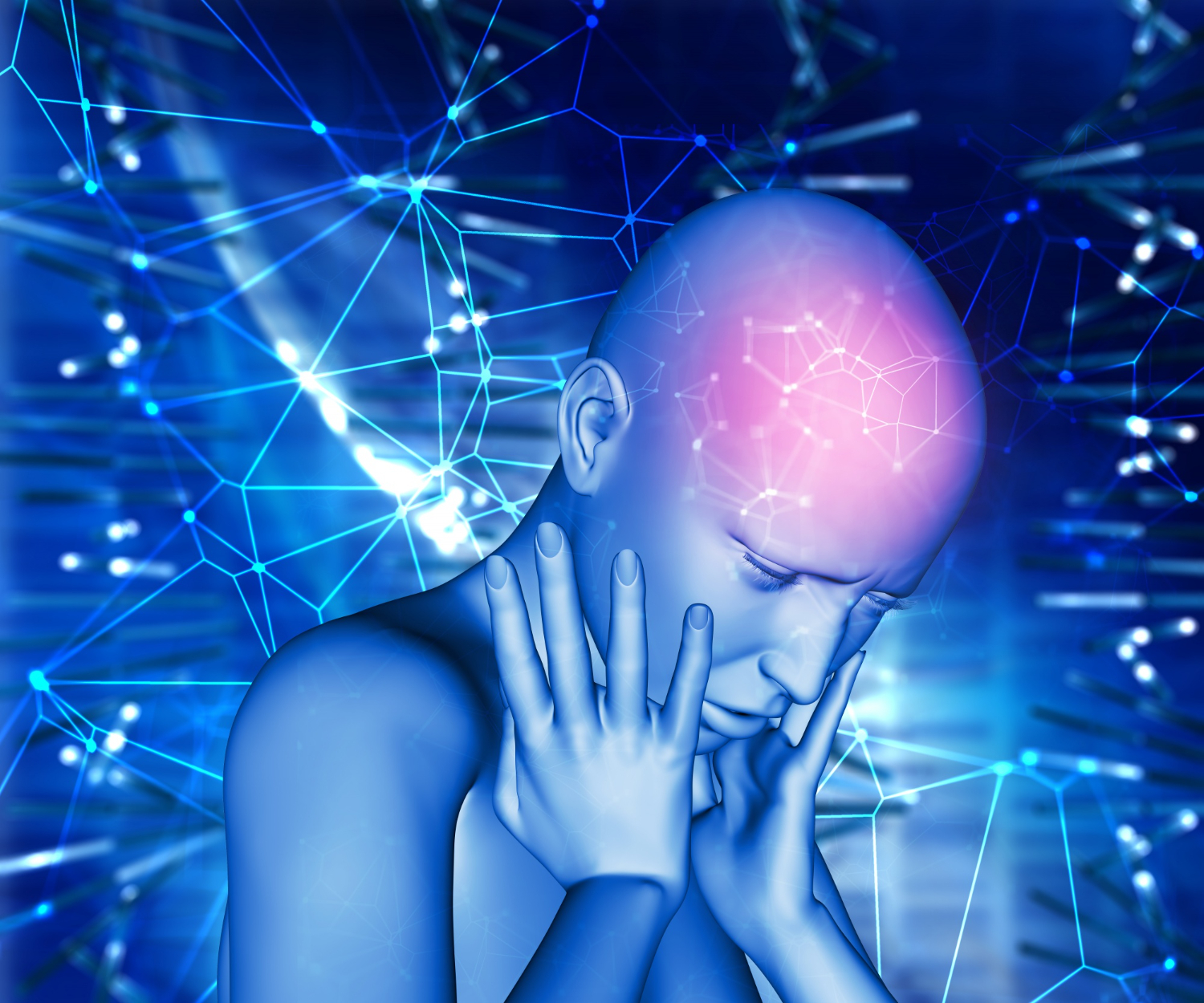
What if PCOS does not begin in the ovaries?
What if the first signal starts in the brain?
What if acne, irregular periods, weight gain, cravings, hair fall, and fertility struggles are not separate problems—but connected messages from one deeper system?
For years, women have been told that PCOS is about “cysts.” Some were told to lose weight. Some were given birth control pills. Some were told their acne was dermatological, their anxiety was emotional, their cravings were lack of discipline, and their irregular periods were “normal stress.”
But many women knew something deeper was happening.
Their bodies were not behaving randomly. Their symptoms were connected.
This is where the educational framework of PNMOS begins.
First, Let’s Be Clear: PNMOS Is Not a Medical Diagnosis
PNMOS stands for Psycho-Neuro-Metabolic Ovarian Syndrome.
It is not an official medical diagnosis. It does not replace PCOS or PMOS. It is an educational awareness term created to help women understand that PCOS-like symptoms may involve more than the ovaries.
PNMOS looks at the full picture: the brain, nervous system, stress response, metabolism, insulin, inflammation, hormones, and ovarian function.
Because the ovaries do not work alone.
They listen to the brain.
Why the Old PCOS Conversation Feels Incomplete
For a long time, PCOS has been reduced to a few surface-level ideas:Cysts.
Irregular periods.
Weight gain.
Acne.
Infertility.
Birth control.
Weight loss advice.
But women are not walking into clinics with only one symptom. They are saying:
- “I feel exhausted after eating.”
- “My periods are unpredictable.”
- “My hair is thinning.”
- “My acne gets worse before my cycle.”
- “I crave sugar even after meals.”
- “My mood changes suddenly.”
- “I cannot lose belly fat despite trying everything.”
- “I feel like my body is working against me.”
These symptoms are not isolated. They may reflect a deeper communication issue between the brain, hormones, metabolism, and ovaries.
That is the heart of PNMOS.
Breaking Down PNMOS
Psycho refers to emotional stress, trauma, mood, body image, cravings, mental health, emotional eating, and behavior patterns.
Neuro refers to the brain, hypothalamus, pituitary gland, nervous system, sleep, cortisol rhythm, and circadian rhythm.
Metabolic refers to insulin resistance, blood sugar imbalance, inflammation, appetite, fat storage, and energy levels.
Ovarian refers to ovulation, periods, fertility, androgen excess, acne, hair fall, and ovarian function.
Syndrome means it can look different in every woman.
One woman may struggle with acne and irregular cycles. Another may have weight gain and hair fall. Another may have fertility challenges but normal weight. Another may have anxiety, cravings, and delayed ovulation.
Same condition spectrum. Different expression.
The Brain-Ovary Conversation: Understanding the HPO Axis
The HPO axis stands for the Hypothalamic-Pituitary-Ovarian axis.
Think of it as a hormonal conversation.
The hypothalamus is the command center in the brain.
The pituitary gland is the messenger.
The ovaries are the responders.
The hypothalamus sends signals. The pituitary releases hormones. The ovaries respond by producing estrogen, progesterone, and androgens, and by supporting ovulation.
When this communication is smooth, cycles are more predictable.
But when the brain senses stress, poor sleep, under-eating, over-exercising, inflammation, insulin resistance, emotional overload, or circadian disruption, reproductive signaling may change.
This is why the statement matters:
The ovaries do not work alone. They listen to the brain.
Why PCOS/PMOS May Start From the Brain
The brain is constantly asking one question:
“Is this body safe enough to reproduce?”
If the body is under chronic stress, sleeping poorly, inflamed, undernourished, overtrained, insulin resistant, emotionally exhausted, or metabolically unstable, the brain may alter reproductive signals.
This does not mean PCOS is “all in your head.”
It means the head is part of the hormone system.
Chronic stress may affect cortisol rhythm. Poor sleep may disturb insulin sensitivity and appetite hormones. Emotional overload may influence cravings and eating behavior. Inflammation may interfere with hormone signaling. Insulin resistance may stimulate ovarian androgen production. Gut imbalance may affect inflammation and estrogen metabolism.
This is not one organ failing.
This is a network asking for attention.
How Brain-Hormone-Metabolic Disruption Can Show Up
When the brain, metabolism, and ovaries are not communicating well, symptoms may appear as:
Irregular periods.
Delayed ovulation.
PMS.
Acne.
Facial hair growth.
Hair thinning.
Belly weight gain.
Sugar cravings.
Fatigue.
Mood swings.
Anxiety.
Poor sleep.
Fertility struggles.
Bloating and gut issues.
The symptom may show on the skin, but the signal may come from insulin.
The symptom may show in the cycle, but the trigger may involve stress.
The symptom may show in the ovaries, but the story may begin in the brain.
PCOS Is Not Just an Ovary Problem
- Let’s break some myths.
- PCOS does not always mean cysts.
- PCOS is not only a fertility issue.
- PCOS is not only about weight.
- Birth control may manage symptoms, but it does not “cure” the root picture.
- Weight loss alone is not the full solution.
- PCOS is not caused by laziness.
- Cutting all carbs is not necessary.
- Regular periods do not always mean the deeper imbalance is resolved.
- Women do not need more shame.
- They need better explanations.
The PNMOS Root-Cause Map
Here is a simple way to understand it:
Brain → Stress response → Insulin → Inflammation → Ovarian signaling → Symptoms
The brain senses the internal environment.
The stress response affects cortisol, sleep, hunger, and nervous system tone.
Insulin influences blood sugar, cravings, fat storage, and ovarian androgen production.
Inflammation affects hormone communication and metabolic function.
The ovaries respond through ovulation patterns, androgen levels, cycle changes, and fertility signals.
Symptoms become the visible expression of this internal conversation.
This is why PNMOS is not about blaming the ovaries.
It is about understanding the system.
Nutrition Approach for PNMOS
A PNMOS-informed nutrition plan does not start with punishment. It starts with stability.
Begin with a protein-rich breakfast to support blood sugar, cravings, and energy. Build meals around protein, fiber-rich carbohydrates, healthy fats, and colorful plants.
Use high-fiber carbohydrates like millets, oats, quinoa, brown rice, pulses, fruits, and vegetables instead of extreme carb restriction. Include omega-3 rich foods such as fatty fish, walnuts, chia seeds, and flaxseeds. Add magnesium-rich foods like pumpkin seeds, almonds, spinach, cacao, and legumes.
Support deficiencies when needed: vitamin D, B12, iron, folate, zinc, and inositol may be relevant for some women, but supplementation should be personalized.
Gut-supportive foods, hydration, anti-inflammatory spices, fermented foods, and consistent meal timing can also support the brain-hormone-metabolic connection.
Crash diets may silence the body temporarily. Nourishment helps rebuild communication.
Lifestyle Approach for PNMOS
Lifestyle is not a side note. It is hormone communication.
Morning sunlight supports circadian rhythm.
Sleep routine supports cortisol and insulin rhythm.
Strength training improves metabolic health.
Walking after meals supports blood sugar.
Breathwork and yoga support nervous system regulation.
Reducing endocrine disruptors may lower hormonal load.
Screen-time boundaries support melatonin and sleep quality.
Stress recovery rituals help the body feel safe again.
And symptom tracking matters but not obsession.
Track to understand your body, not to fear it.
Your Body Is Not Broken. It Is Communicating.
If you have PCOS-like symptoms, your body is not betraying you.
Your acne is not a beauty flaw.
Your cravings are not moral failure.
Your irregular periods are not inconvenience.
Your fatigue is not weakness.
Your weight gain is not laziness.
They are signals.
PNMOS is a way to say: let us stop treating women like disconnected body parts.
The brain, hormones, metabolism, gut, skin, mood, and ovaries are speaking the same language.
We just need to learn how to listen.
Why Dietitians and Women’s Health Coaches Must Understand This Link
Modern PCOS care needs more than calorie charts.
Dietitians and women’s health professionals must understand the HPO axis, insulin resistance, stress physiology, endocrine nutrition, inflammation, fertility nutrition, gut health, behavior change, sleep, circadian rhythm, and women’s mental health.
Because a woman with PCOS does not need a smaller plate.
She needs a bigger lens.
Signs You Need a Deeper Brain-Hormone-Metabolic Assessment
Consider discussing a deeper assessment with a qualified professional if you experience:
Irregular cycles.
Acne with cravings.
Belly weight gain.
Hair fall.
Fatigue after meals.
Poor sleep.
Anxiety before periods.
Dark patches around the neck.
Fertility struggles.
Repeated weight-loss failure.
Mood swings.
Cravings despite eating.
Useful markers to discuss may include fasting insulin, fasting glucose, HbA1c, lipid profile, vitamin D, ferritin, thyroid profile, LH/FSH, AMH, androgen profile, CRP, cortisol rhythm where appropriate, and lifestyle-sleep assessment.
This is educational content, not personal medical advice. Always consult a qualified healthcare professional for diagnosis, treatment, and interpretation of reports.
The Final Thought
Maybe PCOS was never just about the ovaries.
Maybe the ovaries were only the place where the brain, metabolism, stress, and hormones finally became visible.
And maybe the future of women’s health begins when we stop asking, “What is wrong with her ovaries?” and start asking, “What is her whole system trying to say?”
If you are a nutrition student, dietitian, or women’s health professional, this is the time to move beyond symptom-based PCOS education and understand the deeper brain-hormone-metabolic model of women’s health.
Reference Links for the Blog
- 2023 International Evidence-Based Guideline for PCOS Assessment and Management
Useful for: PCOS diagnosis, symptoms, clinical management, metabolic and reproductive concerns.
- Endocrine Society Clinical Practice Guideline on PCOS Diagnosis and Treatment
Useful for: PCOS as an endocrine disorder, diagnosis, hyperandrogenism, ovulatory dysfunction, and treatment approach.
- Stress and the Reproductive Axis — NIH/PMC Review
Useful for: connecting stress, brain signaling, hypothalamic pathways, and reproductive function.
- Association of Insulin Resistance and Elevated Androgen Levels in PCOS — NIH/PMC Review
Useful for: explaining insulin resistance, ovarian androgen production, and metabolic-hormonal connection in PCOS.
- Sleep Disturbances in Women with PCOS — NIH/PMC Review
Useful for: sleep disruption, fatigue, metabolic health, and PCOS-related symptoms
Disclaimer:
This article is for educational and awareness purposes only.
PNMOS — Psycho-Neuro-Metabolic Ovarian Syndrome
It is not an official medical diagnosis, disease classification, or replacement for PCOS/PMOS. It is an educational framework created to help explain the possible connection between the brain, nervous system, stress response, metabolism, insulin, inflammation, hormones, and ovarian function.
The information shared here should not be used for self-diagnosis or as a substitute for professional medical advice, diagnosis, or treatment. PCOS and related hormonal-metabolic concerns require proper clinical evaluation by qualified healthcare professionals. Always consult a gynecologist, endocrinologist, registered dietitian, or qualified healthcare provider before making medical, dietary, supplement, or lifestyle changes.