



We’re here to assist you! For any inquiries, support, or collaboration opportunities, feel free to reach out through phone, email, or our social channels. Our team will connect with you at the earliest.
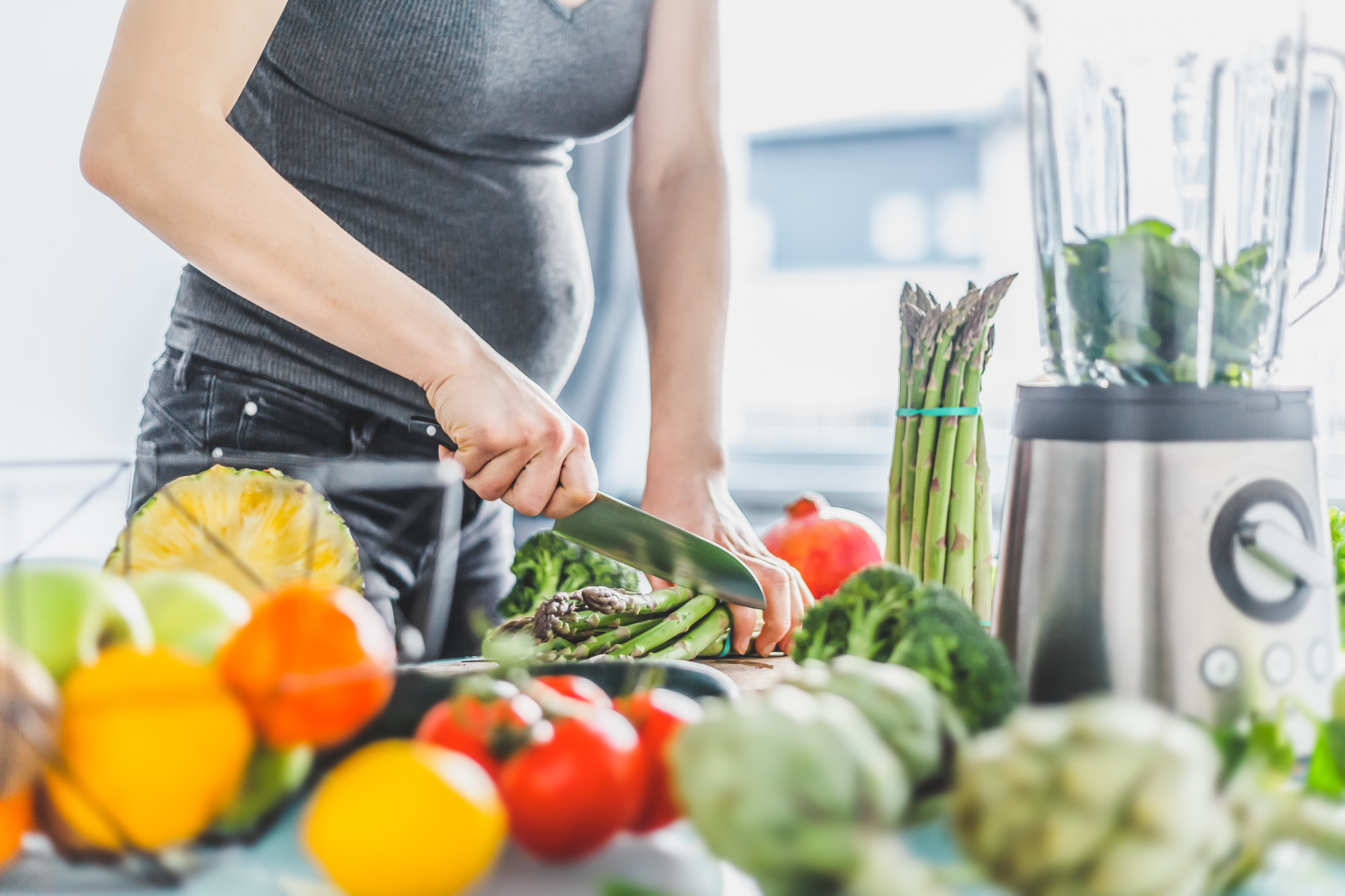
Search for “foods to boost fertility” and you may quickly encounter a remarkably confident list: pineapple, pomegranate, walnuts, Brazil nuts, beetroot juice, seed cycling, special teas, antioxidant powders, expensive supplements—and sometimes an entire “fertility diet” built around them.
The scientific picture is considerably more nuanced.
Nutrition does matter before conception. But its most defensible role is not to turn one food into a fertility treatment.
Preconception nutrition is about something broader: correcting nutritional inadequacies, supporting metabolic and reproductive health, preparing the body for the nutritional demands of pregnancy, and establishing dietary patterns that support overall health.
Some dietary patterns are associated with better fertility or assisted-reproduction outcomes. Yet an association does not automatically mean that the diet itself caused the improvement. Reviews of the available literature continue to find promising signals alongside substantial inconsistency and limitations in the evidence. [1,2]
That distinction matters.
Good fertility nutrition is not about finding a miracle ingredient. It is about building a nutritionally prepared foundation before conception begins.
Fertility nutrition is often discussed as though its sole purpose is to make conception happen faster.
That definition is too narrow.
A more clinically useful approach to preconception nutrition considers at least four objectives:
This final point is particularly important.
Some of the earliest stages of fetal development occur before many people know they are pregnant. Neural-tube development, for example, occurs very early, which is why folic acid recommendations begin before conception, not after a positive pregnancy test. [3–5]
So the most important question is not:
“Which food increases fertility?”
It is:
“Is this person nutritionally prepared for conception and early pregnancy?”
That is a much more useful place to begin.
Among all preconception nutrition recommendations, folic acid has some of the strongest and most established evidence.
The U.S. Centers for Disease Control and Prevention recommends that women capable of becoming pregnant obtain 400 micrograms (mcg) of folic acid daily. Adequate folic acid before conception and during early pregnancy reduces the risk of neural-tube defects. [3]
This is precisely why waiting until pregnancy is confirmed can be too late to begin thinking about folate status.
Food sources of naturally occurring folate—including leafy green vegetables, beans, lentils, citrus fruits and other foods—remain valuable components of a nutritious diet. However, the CDC specifically distinguishes folic acid, used in supplements and fortified foods, because it is the form demonstrated to prevent neural-tube defects. [3]
No.
Certain higher-risk situations may require substantially more folic acid under medical supervision—for example, a previous pregnancy affected by a neural-tube defect. [3,5]
This is an important example of why supplementation should not automatically mean self-prescribing increasingly high doses.
The correct supplement is the one appropriate to the individual’s medical, dietary and reproductive context—not necessarily the one with the largest numbers on the label.
A prenatal multivitamin can be useful before conception, particularly for nutrients that are difficult to obtain consistently or where preconception adequacy is particularly important.
But a supplement should complement food rather than become a substitute for it.
Prepregnancy guidance recommends reviewing diet and supplementation to assess adequacy of nutrients including iron, vitamin B12, vitamin D and others. [5]
The exact nutritional concerns differ considerably between individuals.
For example, someone following a vegan diet may require particular attention to vitamin B12 and other nutrients. Someone with heavy menstrual bleeding may warrant assessment of iron status. Restrictive dieting, gastrointestinal disorders, bariatric surgery, certain medications and other circumstances can also change nutritional requirements.
This is why a useful preconception consultation asks more than:
“Are you taking a prenatal?”
It also asks:
What does the diet look like? What might be missing? What does the medical history tell us?
Pregnancy substantially increases iron requirements.
Entering pregnancy with depleted iron stores can therefore create an avoidable nutritional disadvantage.
Women with heavy menstrual losses, low dietary iron intake or other risk factors deserve particular attention before conception. Iron-containing foods include legumes, lentils, fortified cereals, meat and seafood where appropriate, while vitamin-C-rich foods can improve absorption of non-haem iron.
That does not mean every person trying to conceive should independently begin high-dose iron supplementation.
Iron supplementation is a good example of where assessment should guide intervention.
When deficiency is suspected, clinical evaluation and appropriate laboratory testing may be more useful than guessing from symptoms or adding multiple supplements.
Vitamin B12 is required for normal cell division and neurological and blood-cell function.
Because reliable natural sources are predominantly animal-derived, people following vegan diets—and some vegetarians depending on food choices—may be particularly vulnerable to inadequate intake without fortified foods or supplementation.
Preconception is therefore an appropriate time to review B12 intake and, when indicated, status.
The goal is not to discourage plant-based eating.
Quite the opposite: a well-planned plant-based diet can be nutritionally robust, but “plant-based” and “nutritionally complete” are not automatically synonymous.
Individual planning matters.
Iodine is essential for thyroid hormone production and neurological development.
Preconception dietary assessment should therefore consider iodine sources, which vary considerably between countries and dietary patterns.
Iodized salt, dairy products, seafood and some fortified foods may contribute iodine, but availability and fortification practices differ globally. People avoiding dairy and seafood or using only non-iodized specialty salts may have very different iodine exposure from someone consuming a conventional mixed diet.
This is one reason universal social-media supplement advice can be problematic.
Nutrient recommendations need context—including geography, diet, medical history and thyroid health.
People with thyroid disorders should discuss iodine supplementation with an appropriate healthcare professional rather than self-prescribing high-dose iodine products.
This is where the science becomes much more interesting—and much less certain.
Research has examined Mediterranean-style diets, plant-forward eating patterns, dietary fats, dairy foods, seafood, soy, antioxidant intake, carbohydrate quality and numerous individual nutrients.
Some observational studies report associations between healthier dietary patterns and reproductive outcomes.
For example, a systematic scoping review of observational research found that greater adherence to a Mediterranean dietary pattern showed one of the more consistent associations with improved clinical pregnancy outcomes among the dietary exposures examined. However, the authors also concluded that available evidence remained insufficient to recommend a specific dietary approach specifically for improving fertility. [1]
Similarly, a systematic review and meta-analysis examining Mediterranean-diet adherence and fertility outcomes found encouraging signals but concluded that evidence was insufficient for clinical application because of inconsistencies in the available studies. [2]
That nuance often disappears online.
A Mediterranean-style pattern can still be an excellent nutritional framework.
These foods collectively support dietary quality and cardiometabolic health.
But there is an important difference between saying:
“This is a nutritious dietary pattern that may also be associated with favorable reproductive outcomes.”
and saying:
“This diet will make you fertile.”
The evidence supports the first statement far more comfortably than the second.
This is perhaps the single most important concept for interpreting fertility nutrition research.
Imagine researchers observe that women who consume more vegetables, whole grains, fish and unsaturated fats have better fertility-treatment outcomes.
That is interesting.
But it does not automatically prove those foods produced the outcome.
People who follow higher-quality diets may also differ in physical activity, smoking exposure, healthcare access, socioeconomic factors, body composition, supplement use, sleep and many other variables.
Researchers attempt to adjust for such confounding factors, but observational research cannot always eliminate them.
An intervention trial, in contrast, actively assigns or delivers an intervention and examines what happens.
Even intervention studies have limitations, but they can generally provide stronger evidence for causality than observational associations.
Because fertility marketing frequently converts:
“associated with”
into
“proven to increase fertility.”
Those are not interchangeable statements.
Promising evidence deserves attention. It does not deserve exaggeration.
These foods can certainly fit into a healthy diet.
But that is very different from claiming that eating a particular food at a particular point in the menstrual cycle will reliably increase implantation or pregnancy rates.
The problem is not pineapple.
The problem is certainty without evidence.
A food does not become a fertility therapy merely because it contains antioxidants, selenium, bromelain, nitrates or another biologically interesting compound.
Biological plausibility is the beginning of a research question—not proof of a clinical outcome.
A person trying to conceive does not need a refrigerator full of “fertility foods.”
They need a nutritionally adequate diet.
Oxidative stress is involved in reproductive biology, which has created enormous commercial interest in antioxidant supplements.
But once again, a plausible biological mechanism does not automatically establish clinical benefit.
Supplement formulations also differ dramatically in ingredient combinations and doses, making broad conclusions difficult.
This is particularly relevant for people undergoing IVF or other fertility treatment, who may be exposed to large supplement “stacks” promoted online.
More supplementation is not necessarily better fertility nutrition.
Some nutrients can cause harm at excessive doses, supplements can interact with medications, and taking several overlapping products can unintentionally push intake far beyond intended levels.
Before adding multiple fertility supplements, review the entire stack—including the prenatal vitamin—with a qualified clinician.
Body weight and fertility are frequently discussed in ways that are oversimplified, stigmatizing or both.
At population level, very low or high body weight and metabolic disturbances can be associated with reproductive difficulties in some people. But fertility cannot be predicted from body size alone.
A clinically useful preconception approach therefore looks beyond the scale.
For someone with PCOS, for example, metabolic and ovulatory considerations may make nutritional priorities different from those of a person with diminished ovarian reserve, endometriosis, gastrointestinal disease or no diagnosed fertility condition.
Preconception nutrition should be personalized to physiology—not reduced to a target number on the scale.
Fertility nutrition should not automatically be treated as a woman’s responsibility.
Male factors contribute to a substantial proportion of infertility evaluations, and semen health is influenced by multiple biological, medical, environmental and lifestyle factors.
Some studies have found associations between healthier dietary patterns and semen parameters. In the Mediterranean-diet systematic review mentioned earlier, higher adherence was associated with some favorable sperm measures, although the authors emphasized inconsistency in the evidence. [2]
This does not justify promising that a particular food or supplement will “boost sperm.”
It does justify something more sensible:
Preconception health is a couple-level conversation when two partners are involved.
Smoking, recreational drugs, excessive alcohol exposure, general diet quality and relevant medical conditions should not be considered only for the person who will carry the pregnancy. ASRM guidance encourages healthy lifestyle and diet in both men and women attempting pregnancy. [6]
Smoking should be discouraged in people attempting pregnancy, and avoidance of recreational drugs is also advised. [6]
Alcohol is more complicated when the question is fertility itself: studies are inconsistent, particularly at lower levels of intake. ASRM notes that higher alcohol consumption is best avoided when attempting pregnancy. [6]
Once pregnancy is possible, however, recommendations must also account for fetal safety; public-health guidance advises avoiding alcohol during pregnancy. [7]
This is another area where online advice can become unnecessarily restrictive.
Very high caffeine intake has been associated with adverse reproductive outcomes in some studies, but ASRM reports that moderate caffeine consumption—roughly one to two cups of coffee per day or equivalent—has no apparent adverse effect on fertility or pregnancy outcomes. [6]
Individual caffeine content varies enormously by drink and serving size, so counting “cups” is less precise than considering approximate caffeine intake.
There is no magical 90-day diet that resets fertility.
But beginning preconception care before pregnancy is entirely sensible.
It creates time to:
Preconception nutrition works best when it is treated as preparation, not a crash programme.
Instead of following a restrictive “fertility diet,” consider these priorities.
Regularly include vegetables, fruits, legumes, whole grains, protein-rich foods and predominantly unsaturated fats.
For average-risk women, major guidance supports 400 mcg daily, beginning before pregnancy. Individual circumstances may require different dosing under medical guidance. [3–5]
Check actual nutrient amounts and avoid unnecessarily combining several products containing the same nutrients.
Iron, B12, vitamin D, iodine and other nutrients may warrant attention depending on diet, symptoms, laboratory results, medical history and geographic context.
Eliminating gluten, dairy, carbohydrates, soy or other major food groups without a clinical indication can make nutritional adequacy harder—not easier.
When applicable, preconception health should include both people rather than placing the nutritional burden entirely on the woman.
The dietary pattern you can maintain through preconception and pregnancy is usually more valuable than an elaborate fertility protocol followed for two weeks.
General healthy-eating advice is not enough for everyone.
More individualized nutrition support may be appropriate when there is:
And nutrition should never become a reason to delay appropriate fertility evaluation.
ASRM guidance notes that fertility declines with age and recommends considering specialist evaluation after six months of unsuccessful attempts for women over 35; individual circumstances can warrant earlier assessment. [6]
Fertility can be an emotionally vulnerable period.
That vulnerability has helped create a marketplace in which ordinary foods are sometimes transformed into treatments and supplements into promises.
At The NIND Knowledge Hub, we believe fertility nutrition deserves a higher standard.
The objective should not be to make patients feel that conception depends on eating perfectly.
Nor should every disappointing fertility outcome trigger the question:
Human fertility is influenced by age, reproductive anatomy, ovarian and testicular function, genetics, endocrine and metabolic health, medical conditions, environmental factors and chance—among many other variables.
Nutrition is one part of that picture.
An important part, yes.
But not an all-powerful one.
The strongest preconception nutrition strategy is therefore rarely a “fertility hack.” It is an evidence-informed process of nutritional preparation, risk reduction, deficiency prevention and individualized care.
And where science is uncertain, responsible nutrition practice should say so.
There is no scientifically established collection of “fertility superfoods” guaranteed to improve conception.
What does have a stronger foundation is good preconception care: adequate folic acid, attention to nutrient status, a varied nutrient-dense dietary pattern, appropriate supplementation, avoidance of smoking and recreational drugs, sensible lifestyle choices and individualized management of relevant medical or metabolic conditions.
Mediterranean-style and other high-quality dietary patterns are promising in fertility research, but much of the evidence remains observational and does not prove that following a particular diet will cause pregnancy. [1,2]
So instead of asking:
a more scientifically useful question is:
That shift—from promises to preparation—is where evidence-based fertility nutrition begins.
Certified Clinical Dietitian | Women’s Health & IVF Nutrition Expert | Founder & Director – NIND
Internationally Certified PCOS Coach | Internationally Certified Dietary Supplement Practitioner
Dt. Neha Vijh works at the intersection of clinical nutrition, women’s health, PCOS and fertility/IVF nutrition. Her approach emphasizes individualized nutrition planning, responsible dietary-supplement use and translation of nutrition science into practical clinical strategies.
As Founder & Director of NIND, she contributes to NIND’s mission of strengthening evidence-informed nutrition education and helping learners and readers distinguish credible clinical nutrition practice from oversimplified or unsupported nutrition claims.
The NIND Knowledge Hub is an evidence-focused nutrition education platform by NIND, created to bridge the gap between nutrition research, clinical practice and understandable health information.
Its Research Explainers and Clinical Insights are designed to help readers move beyond nutrition headlines—toward understanding what the evidence shows, what it does not yet prove, and how that distinction should influence practice.
Evidence interpreted. Nutrition understood. Practice improved.
1. Skoracka K, Ratajczak AE, Rychter AM, et al. Assessing the influence of preconception diet on female fertility: a systematic scoping review of observational studies. Human Reproduction Update. 2023. PMID: 37467045.
2. Gaskins AJ, et al. Mediterranean diet and infertility: a systematic review with meta-analysis of cohort studies. Nutrition Reviews. 2023;81. doi:10.1093/nutrit/nuac087.
3. Centers for Disease Control and Prevention. About Folic Acid. CDC. Updated 2026. Guidance recommends 400 mcg folic acid daily for women capable of becoming pregnant and discusses higher-dose recommendations in specific high-risk circumstances.
4. Centers for Disease Control and Prevention. Planning for Pregnancy. CDC. Preconception guidance addressing folic acid, alcohol, smoking, drugs and environmental exposures.
5. American College of Obstetricians and Gynecologists; American Society for Reproductive Medicine. Prepregnancy Counseling. Committee Opinion No. 762. Obstetrics & Gynecology. 2019;133–e89.
6. Practice Committee of the American Society for Reproductive Medicine. Optimizing natural fertility: a committee opinion. Fertility and Sterility. 2022. ASRM Practice Guidance.
7. Centers for Disease Control and Prevention. Planning for Pregnancy / Healthy Pregnancy. CDC. Guidance on alcohol, tobacco, drugs and other preconception health considerations.
8. American Society for Reproductive Medicine. Recurrent Pregnancy Loss: A Committee Opinion. 2026. Includes contemporary prepregnancy evaluation and lifestyle guidance.
This article is intended for education and professional awareness and does not replace individualized medical, fertility, obstetric or dietetic care. Nutrient requirements, supplement doses and fertility-management decisions vary according to age, diet, medical history, medications, laboratory findings and reproductive circumstances.
Individuals who are pregnant, planning pregnancy, undergoing fertility treatment or managing a medical condition should discuss supplements and significant dietary changes with appropriately qualified healthcare professionals. High-dose folic acid, iron, iodine and other nutrients should not be self-prescribed solely on the basis of general online recommendations.
Published by The NIND Knowledge Hub
Author: Dt. Neha Vijh
Founder & Director – NIND
Get the latest nutrition insights, research updates & wellness tips delivered to your inbox.
No spam. Unsubscribe anytime.Secure your spot in this session
Secured by Razorpay