



We’re here to assist you! For any inquiries, support, or collaboration opportunities, feel free to reach out through phone, email, or our social channels. Our team will connect with you at the earliest.
A continuous glucose monitor can show what happens to glucose after meals, exercise, sleep and stress. But when someone does not have diabetes, does seeing more glucose data actually improve health—or simply create another number to optimize?
Eat a banana.
Check the graph.
Drink coffee.
Check the graph.
Eat rice.
Check the graph.
Go for a walk.
Check the graph again.
Continuous glucose monitors—or CGMs—have moved far beyond diabetes clinics.
They are increasingly marketed as tools for metabolic health, personalized nutrition, weight management, athletic performance and lifestyle optimization.
The technology is compelling.
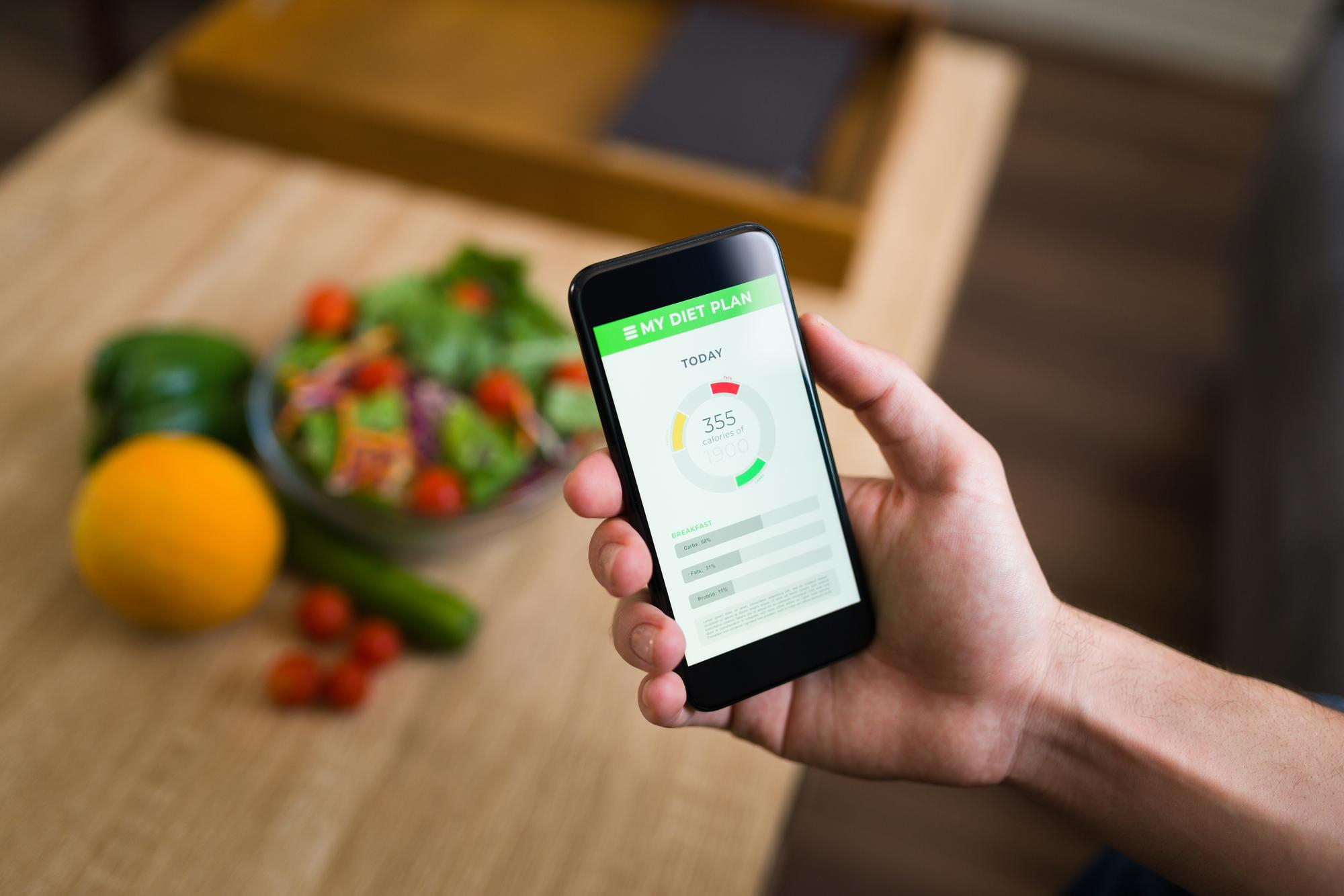
Instead of receiving a single fasting glucose result during an annual health check, a person can watch glucose change throughout the day on a smartphone.
A meal becomes a curve.
A workout becomes a curve.
A poor night’s sleep may become a curve.
And in 2024, the conversation changed substantially when the U.S. Food and Drug Administration cleared the first over-the-counter CGM. The device was intended for adults aged 18 years and older who do not use insulin—including people without diabetes who want to understand how diet and exercise may affect glucose.[1]
That makes CGM data more accessible than ever.
But accessibility creates a new clinical question:
Just because we can continuously measure glucose, does that mean everyone benefits from continuously watching it?
The answer is more complicated than the technology’s popularity suggests.
A CGM does not continuously draw blood.
A small sensor inserted under the skin measures glucose in interstitial fluid—the fluid surrounding cells.
The sensor estimates glucose repeatedly and sends readings to a receiver or smartphone application.
This allows users to see:
current glucose estimates,
direction of change,
post-meal responses,
overnight patterns,
and glucose trends across days.
For someone with diabetes—particularly a person using insulin—this information can be enormously valuable.
CGMs can help guide diabetes management, identify high and low glucose patterns, improve time in target range and reduce some of the burden of repeated finger-stick testing.
But there is an important technical point.
Interstitial glucose is not identical to blood glucose measured directly at that exact moment.
There can be physiological lag between changes in blood glucose and changes in interstitial glucose, particularly when glucose is moving rapidly.
Sensors also have measurement error.
Pressure on a sensor during sleep can sometimes produce unexpectedly low readings. Exercise, hydration, rapid glucose change, sensor placement and device-related factors can complicate interpretation.
A CGM should therefore be understood as a sophisticated trend-monitoring device, not as an infallible metabolic truth detector.
The attraction is understandable.
Nutrition recommendations usually describe what happens on average.
A CGM appears to tell you what happens to you.
Two people eat the same meal.
Their glucose curves may look different.
One person walks after dinner and sees the curve change.
Another notices that a large late-night meal produces a different pattern from an earlier dinner.
Someone else discovers that a breakfast they considered “healthy” produces a surprisingly large glucose excursion.
This creates the promise of personalized nutrition through biofeedback.
Instead of simply being told:
“Exercise after meals can help glucose regulation,”
someone can see the effect on a screen.
That feedback may make an abstract health recommendation feel immediate.
And that may change behaviour.
The critical question is whether those behavioural changes lead to meaningful improvements in health.
Research is developing, but it is not yet strong enough to justify the idea that every metabolically healthy person needs continuous glucose monitoring.
A 2026 systematic review and meta-analysis examining CGM use in non-diabetic populations found evidence that CGM-based interventions could improve mean glucose and encourage certain dietary behaviour changes.[2]
But the benefits were not uniform.
The review found more meaningful glycaemic improvement among people with prediabetes, while appreciable glycaemic benefit was not observed in healthy normoglycaemic populations.[2]
It also found no significant improvement in BMI attributable to CGM use.
This distinction is crucial.
A technology can be:
useful for someone with an identifiable metabolic problem
without being:
necessary for everyone interested in wellness.
This may be the most important concept in the entire discussion.
A CGM does not directly:
improve insulin sensitivity,
build muscle,
reduce visceral adiposity,
improve diet quality,
increase physical activity,
or produce weight loss.
It measures.
What happens next depends on what someone does with the information.
A systematic review and meta-analysis examining CGM as a behaviour-change tool found modest improvements in glycaemic outcomes in interventions incorporating CGM feedback, but effects on body weight and BMI were not significant.[3]
Importantly, relatively few trials directly measured actual changes in diet or physical activity.[3]
So when a commercial program says:
“Wear this sensor and optimize your metabolism,”
the missing question is:
What intervention accompanies the sensor?
Education?
Dietitian support?
Exercise coaching?
Calorie reduction?
Weight loss?
Structured behavioural counselling?
If a CGM is embedded inside an intensive lifestyle program, it becomes difficult to attribute the entire benefit to the sensor itself.
Data can support behaviour change. Data are not behaviour change.
CGM culture has introduced a new nutritional fear:
the glucose spike.
Social media posts often show two glucose curves:
One smooth.
One sharply rising.
The flatter curve is labelled “good.”
The larger rise is labelled “bad.”
But glucose is supposed to rise after eating carbohydrate.
That is normal physiology.
When carbohydrate is digested, glucose enters the bloodstream. Insulin rises, tissues take up glucose and concentrations generally return toward baseline.
The existence of a post-meal rise does not by itself prove:
insulin resistance,
metabolic damage,
inflammation,
future diabetes,
or that the food should be eliminated.
The clinical significance depends on the magnitude, duration, frequency and broader metabolic context.
This is where wellness CGM use can become misleading.
A visible physiological response can start being treated as a pathological event simply because we can now see it.
Processed meat, cheese and butter with virtually no carbohydrate.
Meal A may produce a more noticeable glucose rise.
Meal B may produce a flatter immediate glucose curve.
Does that automatically make Meal B metabolically superior?
No.
A healthy dietary pattern must consider much more than short-term glucose:
fibre,
micronutrients,
fat quality,
protein,
sodium,
energy density,
gut health,
cardiovascular health,
and long-term dietary quality.
This is one of the greatest risks of consumer CGM culture:
A person may remove fruit because grapes create a visible rise.
Then oats.
Then lentils.
Then rice.
Then potatoes.
Soon the goal is no longer eating well.
The goal is drawing the flattest possible line.
There is no high-quality evidence establishing that healthy people should structure their entire diet around eliminating normal post-meal glucose excursions.
Diabetes care has established CGM metrics because people with diabetes have clinically meaningful glucose-management targets.
But those targets should not simply be imported into wellness populations.
Healthy glucose regulation is dynamic.
Glucose varies with:
food,
exercise,
sleep,
stress,
illness,
hormonal state,
and time of day.
And people differ.
Research has demonstrated substantial interpersonal variability in post-meal glucose responses, which helped stimulate interest in personalized nutrition.[4]
But personalization introduces another problem:
How reproducible is a single observation?
If a person eats rice once after poor sleep, while stressed and sedentary, and sees a high reading, that does not establish:
“Rice is bad for my metabolism.”
To identify a meaningful personal pattern, repeated observations under comparable conditions are more informative than one dramatic screenshot.
This distinction deserves emphasis.
Metabolic health includes far more than glucose.
It includes:
insulin sensitivity,
blood pressure,
lipid metabolism,
liver health,
body composition,
visceral adiposity,
muscle mass and function,
cardiorespiratory fitness,
and many other physiological processes.
A CGM measures one variable exceptionally frequently.
Frequency should not be mistaken for comprehensiveness.
CGMs provide high-resolution information about one part of metabolism—not a complete metabolic health score.
This is particularly important when commercial platforms convert glucose data into proprietary “metabolic scores.”
A precise-looking number can create an impression of clinical certainty that may exceed what has actually been validated.
The argument for CGM use becomes more compelling when someone has an identifiable metabolic reason to examine glucose patterns.
For example:
prediabetes,
high risk of developing type 2 diabetes,
or clinically relevant dysglycaemia being evaluated with professional support.
In these situations, real-time feedback may help someone connect behaviour with glucose patterns.
A person might discover that:
large refined-carbohydrate meals produce prolonged elevations,
walking after meals changes the curve,
or portion size has a meaningful effect.
The 2026 systematic review found greater glycaemic benefit in people with prediabetes than in healthy normoglycaemic individuals.[2]
This suggests a sensible principle:
That is very different from assuming that every healthy adult needs continuous glucose optimization.
Because insulin resistance is common in PCOS, women with PCOS are increasingly targeted by glucose-monitoring and metabolic-health marketing.
A CGM may provide interesting information for some women with PCOS, particularly where impaired glucose regulation is already suspected or documented.
But PCOS is not diagnosed from a CGM curve.
Nor does one large post-meal rise prove insulin resistance.
The 2023 International Evidence-based Guideline for PCOS emphasizes appropriate metabolic risk assessment, with the oral glucose tolerance test identified as the most accurate test for assessing glycaemic status in PCOS regardless of BMI.[5]
That matters.
If there is concern about prediabetes or diabetes in a woman with PCOS, appropriate medical assessment is more useful than trying to self-diagnose insulin resistance from a week’s worth of colourful graphs.
Athletes represent another rapidly growing market.
A CGM may help visualize fueling patterns during prolonged exercise, recovery or periods of heavy training.
But interpretation is complicated.
Exercise itself can alter glucose dramatically.
During endurance exercise, glucose may fall as muscles use fuel.
During intense exercise, glucose can temporarily rise because stress hormones stimulate glucose release from the liver.
A healthy athlete seeing glucose rise during high-intensity training should therefore not automatically interpret the response as metabolic dysfunction.
Likewise, deliberately minimizing carbohydrate to produce a flatter CGM curve can be counterproductive when an athlete actually needs carbohydrate to support performance and recovery.
CGM may be an interesting additional data stream.
It should not automatically become the primary nutrition compass.
This is one area where CGM feedback can be genuinely educational.
A person eats dinner.
Glucose rises.
The next day they eat a similar meal and walk afterwards.
The curve may look different.
That immediate feedback can reinforce a valuable behaviour.
But there is an important distinction:
The benefit of post-meal activity existed before the person wore the sensor.
The CGM did not create the physiology.
It made the physiology visible.
This may be where CGMs offer their greatest potential in wellness:
For some people, that visibility is motivating.
For others, it is unnecessary.
Wearable technology can increase awareness.
It can also increase surveillance.
For someone already anxious about food, numbers or body weight, watching every meal generate a metabolic graph may not be benign.
A person may begin asking:
Why did my glucose reach 142?
Why was today’s response higher than yesterday’s?
Was that banana a mistake?
Should I stop eating oats?
Why did my glucose rise when I didn’t eat?
This can encourage unnecessary restriction and food anxiety.
It may be particularly inappropriate for someone with a current or previous eating disorder, significant food-related anxiety or compulsive health-tracking behaviour.
The difficulty of translating raw CGM data into appropriate clinical action has been identified as an important barrier even as CGM technology expands.[6]
More information only improves decisions when the information can be correctly interpreted.
Consumer CGMs can generate readings that look concerning.
That does not mean a person should diagnose themselves with diabetes—or hypoglycaemia.
Diabetes is diagnosed using validated clinical testing and established diagnostic criteria.
A CGM may identify a pattern worth discussing with a healthcare professional.
But it should not independently establish the diagnosis.
The FDA specifically advised users of the first OTC CGM not to make medical decisions based solely on the device output without consulting a healthcare provider.[1]
Likewise, unexpectedly low sensor readings in someone without symptoms can sometimes reflect technical factors rather than clinically significant hypoglycaemia.
One abnormal-looking graph should trigger context, not panic.
In March 2024, the FDA cleared the first over-the-counter CGM, making this technology directly available without a prescription to appropriate adult users.[1]
The cleared system was intended for adults aged 18 years and older who do not use insulin, including people without diabetes interested in understanding how diet and exercise influence glucose.
But there was an important limitation.
The system was not intended for people with problematic hypoglycaemia, because it was not designed to alert users to that potentially dangerous condition.[1]
That detail illustrates a broader point:
The FDA also reported adverse events including local infection, skin irritation and pain or discomfort during device evaluation.[1]
These devices are generally minimally invasive—but they are still devices worn through the skin.
Rather than asking whether CGMs are “good” or “bad,” ask whether the device answers a useful question.
If the answer is simply:
“I want better metabolic health,”
a CGM may be less useful than first improving established fundamentals: diet quality, physical activity, sleep, body composition and appropriate health screening.
Data that do not produce appropriate action are mostly expensive observation.
A glucose rise is not automatically a glucose problem.
If every curve is likely to produce anxiety or food avoidance, the sensor may do more harm than good.
Prediabetes, elevated diabetes risk or suspected dysglycaemia may make professional interpretation considerably more valuable.
Digital health is entering an era in which we can measure more physiology than ever before.
Sleep scores.
Heart-rate variability.
Blood oxygen.
Recovery.
Glucose.
The technological achievement is remarkable.
But nutrition science now faces another challenge:
At The NIND Knowledge Hub, we believe CGMs can be valuable tools when they answer a defined clinical or behavioural question.
But they should not create a new nutritional rule:
“The healthiest meal is the meal that produces the flattest curve.”
That is too simplistic.
The healthiest meal must still be evaluated through the wider lens of:
nutrient density,
fibre,
protein,
fat quality,
energy balance,
cardiovascular health,
cultural suitability,
performance needs,
and long-term sustainability.
A lentil meal may raise glucose.
Fruit may raise glucose.
Oats may raise glucose.
That is not sufficient evidence that those foods are metabolically harmful.
Likewise, a food producing a flat glucose response does not automatically make it nutritionally excellent.
A CGM can show you what your glucose did. It cannot, by itself, tell you what your diet should become.
That requires interpretation.
And interpretation requires context.
The future of personalized nutrition should therefore not be more data at any cost.
It should be:
1. CGMs measure interstitial glucose continuously.
They provide trends and patterns, but readings are not identical to direct blood-glucose measurements at every moment.
2. OTC access has expanded CGMs beyond diabetes care.
The FDA cleared the first OTC CGM in 2024 for adults not using insulin, including adults without diabetes who want to understand diet- and exercise-related glucose patterns.[1]
3. Evidence in healthy people remains limited.
Current evidence suggests greater potential benefit in people with prediabetes than in metabolically healthy normoglycaemic adults.[2]
4. A CGM is a feedback tool—not a treatment.
It does not independently improve diet quality, insulin sensitivity, fitness or body composition.
5. Post-meal glucose rises are normal physiology.
A visible “spike” should not automatically be interpreted as metabolic damage.
6. The flattest glucose curve does not necessarily identify the healthiest meal.
Overall nutritional quality still matters.
7. One CGM response should not create a permanent food rule.
Glucose responses vary with meal composition, activity, sleep, stress and other factors.
8. CGMs may have useful applications in prediabetes and selected high-risk populations.
Their value is likely greater when there is a meaningful clinical question.
9. Athletes should interpret CGM data cautiously.
Exercise itself can raise or lower glucose, and minimizing glucose excursions should not compromise appropriate sports fueling.
10. More data are only useful when they produce better decisions.
Without context, continuous monitoring can become continuous worry.
Certified Clinical Dietitian | Women’s Health Expert
Internationally Certified PCOS Coach | Internationally Certified Dietary Supplement Practitioner
Founder & Director – NIND
Dt. Neha Vijh works across clinical nutrition, women’s health, PCOS and evidence-informed nutrition practice. Her work focuses on translating evolving nutrition and metabolic-health research into practical clinical understanding while challenging oversimplified diet and wellness narratives.
As Founder & Director of NIND, she contributes to NIND’s mission of strengthening evidence-based nutrition education and improving how emerging health science is interpreted by professionals and consumers.
About The NIND Knowledge Hub
The NIND Knowledge Hub is the evidence-focused nutrition education and professional knowledge platform of NIND, created to bridge the gap between nutrition research, clinical practice and understandable health information.
Its Research Explainers examine emerging nutrition science, health technologies and popular claims by distinguishing what can be measured, what has been demonstrated and what remains uncertain.
References
1. U.S. Food and Drug Administration. FDA Clears First Over-the-Counter Continuous Glucose Monitor. FDA; March 5, 2024.
2. Liao et al. Continuous glucose monitoring in non-diabetic populations: a systematic review of observational and interventional studies with meta-analysis. European Journal of Medical Research. 2026.
3. Richardson et al. The efficacy of using continuous glucose monitoring as a behaviour change tool in populations with and without diabetes: a systematic review and meta-analysis of randomised controlled trials. International Journal of Behavioral Nutrition and Physical Activity. 2024.
4. Zeevi D, Korem T, Zmora N, et al. Personalized nutrition by prediction of glycemic responses. Cell. 2015;163(5):1079–1094. doi:10.1016/j.cell.2015.11.001.
5. Teede HJ, Tay CT, Laven JJE, et al. Recommendations from the 2023 International Evidence-based Guideline for the Assessment and Management of Polycystic Ovary Syndrome. Hum Reprod. 2023;38(9):1655–1679. doi:10.1093/humrep/dead156.
6. Son et al. The expanding role of continuous glucose monitoring in the management and prevention of type 2 diabetes. Diabetes Therapy. 2025.
7. American Diabetes Association Professional Practice Committee. Diabetes technology: Standards of Care in Diabetes—2026. Diabetes Care. 2026;49(Suppl 1).
8. Battelino T, Danne T, Bergenstal RM, et al. Clinical targets for continuous glucose monitoring data interpretation: recommendations from the International Consensus on Time in Range. Diabetes Care. 2019;42(8):1593–1603. doi:10.2337/dci19-0028.
9. Hall H, Perelman D, Breschi A, et al. Glucotypes reveal new patterns of glucose dysregulation. PLoS Biol. 2018;16(7). doi:10.1371/journal.pbio.2005143.
10. American Diabetes Association Professional Practice Committee. Diagnosis and classification of diabetes: Standards of Care in Diabetes—2026. Diabetes Care. 2026;49(Suppl 1).
Medical & Digital Health Disclaimer
This article is intended for educational and professional-information purposes only and does not constitute individualized medical, nutrition or diabetes advice.
Consumer CGM readings should not be used independently to diagnose diabetes, prediabetes, hypoglycaemia, insulin resistance or other metabolic disorders. Unexpected or repeatedly abnormal glucose patterns should be discussed with an appropriately qualified healthcare professional and, when indicated, evaluated using validated diagnostic testing.
CGM devices have technical limitations and can produce readings influenced by sensor performance, rapid glucose change, pressure, placement and other factors.
People with diabetes, individuals taking glucose-lowering medication, those with a history of clinically significant hypoglycaemia, pregnant individuals, athletes with specialized fueling requirements, and people with current or previous eating disorders should seek appropriate professional guidance before using CGM data to make substantial dietary changes.
Published by The NIND Knowledge Hub
Research Explainer | Metabolic / Digital Health
Author: Dt. Neha Vijh, Certified Clinical Dietitian
Founder & Director – NIND
Evidence • Nutrition • Clinical Practice • Professional Growth

Get the latest nutrition insights, research updates & wellness tips delivered to your inbox.
No spam. Unsubscribe anytime.Secure your spot in this session
Secured by Razorpay